
Fall residential window cleaning matters most because the low winter sun shines almost straight through your glass, magnifying every rain spot and film of grime. Cleaning windows in late fall removes that buildup, protects the glass from etching, and lets the maximum amount of natural light into your home during the darkest months of the year.
Have you ever noticed your windows looking dirtier in December than they did all summer? It’s not your imagination. The same glass that seemed perfectly clear in July can look streaked and hazy once the sun drops low in the sky.
Many homeowners assume window cleaning should wait until spring. After all, why clean windows right before months of rain? It’s a reasonable question, but it overlooks how winter light actually works and how much our dark season affects the way we feel inside our homes.
In the Pacific Northwest, every bit of daylight counts. When the sun shows up for a few hours on a clear winter afternoon, you want it pouring into your living room, not stopping at a layer of grime on the glass.
Here’s why fall might be the most important time of year to clean your windows.
How Does a Low Winter Sun Angle Expose Dirty Windows?
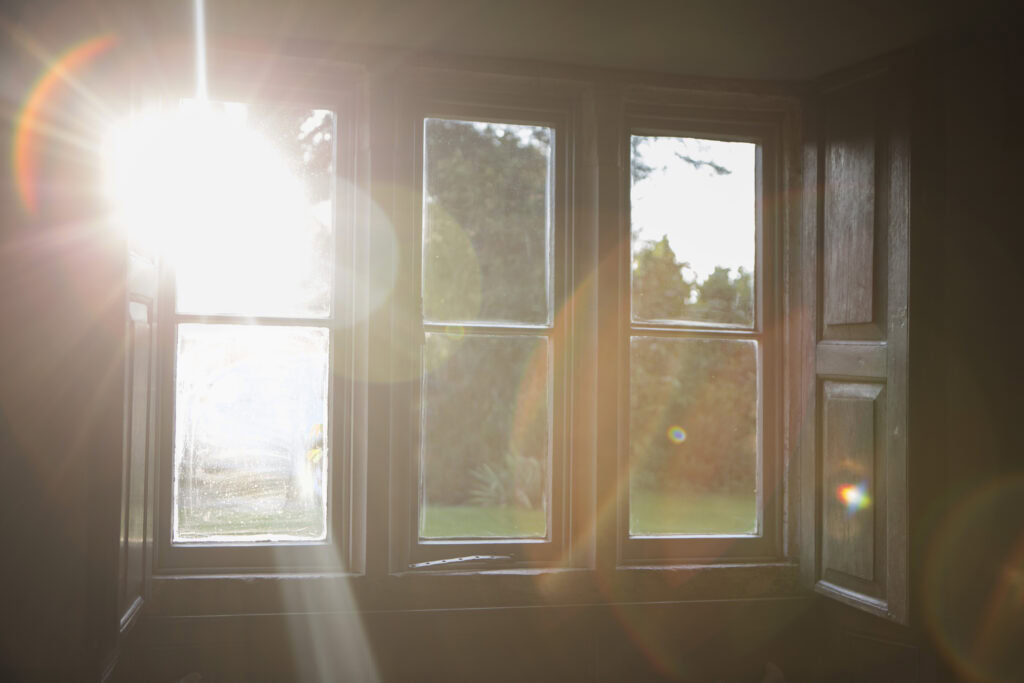
In summer, the sun rides high overhead, so its light hits your windows at a steep angle. In winter, the sun sits low near the horizon and shines almost directly through the glass. That low angle catches every speck and streak, lighting them up like a flashlight on a dusty table.
The difference in Seattle is dramatic. On the winter solstice, the sun reaches only about 19 degrees above the horizon at its highest point, according to KIRO 7’s look at the region’s darkest stretch of the year. That means the sun spends the entire day at an angle that exposes every imperfection on your glass.
That’s the clear glass low sun angle effect in action. Spotless windows let that low light flood your rooms, while dirty windows scatter it into glare and haze.
Skylights and south-facing windows show this effect most of all. Because they receive the most direct winter sun, any film on their surface turns into a bright haze that can make an entire room feel dim, even on a clear day. Cleaning those panes first gives you the biggest improvement for the least effort.
The lower the sun, the more your windows reveal.
What Builds Up on Your Glass Between Summer and Winter?
Windows collect far more than dust over the course of a year. By late fall, most Pacific Northwest windows carry a combination of buildup that reduces clarity and can harm the glass over time:
- Pollen and tree sap from spring and summer that leave a sticky film.
- Rain spots that dry into mineral deposits after each shower.
- Hard water marks from sprinklers that can etch glass if left too long.
- Dust and road grime that settle on exterior surfaces near busy streets.
- Dirt trapped in screens that washes back onto the glass with every rain.
Hard water deposits deserve special attention. Minerals left on glass for long periods can bond to the surface and slowly etch it, causing permanent cloudiness that cleaning can’t remove. Regular cleaning prevents that damage before it becomes irreversible.
Screens play a bigger role than most people realize. A dirty screen acts like a reservoir, releasing grime onto freshly cleaned glass every time it rains. That’s why a complete cleaning always includes the screens.
Window tracks and sills collect their own share of debris. Dead insects, leaves, and grit gather in the tracks over the summer, and when fall rain arrives, that debris can block weep holes and trap water against the frame. A thorough cleaning clears those channels so moisture drains the way it’s supposed to.
Every season leaves its mark, and fall is the right time to wipe it away.
Why Does Residential Window Cleaning Matter More During Dark PNW Months?
Residential window cleaning does more than improve the view. In a region where winter days last little more than eight hours at their shortest, clean windows help you make the most of every minute of natural light.
Natural light shapes how a home feels. Rooms look brighter, colors appear truer, and spaces feel warmer and more inviting. Many people in the Pacific Northwest notice how much the long, gray months affect their mood, and letting in as much daylight as possible can make the season feel a little lighter.
Fall cleaning also prepares your home for the holidays. Guests notice clear windows, and holiday lights and decorations look far more festive through spotless glass than through a dull layer of grime.
Clean windows can also help your home feel warmer. Sunlight passing through clear glass brings a small amount of free solar heat on bright days, while grime and film block part of that warmth.
Here’s how fall cleaning compares with waiting until spring:
| Factor | Clean Windows in Fall | Wait Until Spring |
| Winter daylight | Maximum natural light indoors | Light reduced by film and spots |
| Glare from low sun | Minimal | Streaks and haze light up |
| Mineral buildup | Removed before it sets | Sits on glass for months |
| Holiday appearance | Bright, clear views for guests | Visible smudges and spots |
| Screen condition | Cleaned before winter rain | Keeps soiling glass all season |
When you add it up, fall cleaning gives you clearer views during the exact months you need them most.
There’s a practical side, too. Clear windows make it easier to spot problems around your home, from a drooping gutter to a branch leaning toward the roof after a windstorm.
Clean windows turn short days into brighter ones.
Why Is Winter Window Washing in Bellevue Worth Doing Even With Rain?
One of the most common questions homeowners ask is whether rain ruins freshly cleaned windows. The truth is that rain itself is just clean water. The spots you see after a storm come from dirt and minerals that were already on the glass or in the screens. When windows start clean, rain doesn’t leave much behind.
That’s why winter window washing in Bellevue and across the Eastside makes so much sense. Professional crews can work safely through most winter weather, and the results last longer than many people expect. To get the most from your cleaning, keep a few tips in mind:
- Clean windows in late fall, after most leaves and needles have dropped.
- Include screens and tracks so dirt doesn’t wash back onto clean glass.
- Clear gutters at the same time to prevent overflow from streaking windows.
- Schedule a second cleaning in spring to remove winter grime and pollen.
Safety is a big part of the decision as well. Upper-story windows require ladders, and wet fall conditions make that work risky for homeowners. Professional crews have the equipment and training to reach high glass safely and efficiently.
Pairing window and gutter cleaning in one visit is especially helpful. Overflowing gutters send dirty water cascading down windows, so clearing them helps your glass stay cleaner longer.
A little rain is no reason to live behind dirty glass all winter.

How Can Quick and Clear Services Brighten Your Home This Fall?
Quick and Clear Services has been helping homeowners enjoy clear views since 1999. We’re a family-owned company based in Renton, and we provide exterior window cleaning in Renton, along with service in Bellevue and the surrounding communities.
Our professional window washing services cover glass inside and out, along with screens and skylights. Indoors, our technicians wear shoe covers and use drop cloths to protect your floors. Outdoors, we use safety equipment and ladder stand-offs so we can reach high windows without scratching your siding or gutters.
We’re licensed and bonded, with full insurance coverage, and we can set you up on a recurring schedule so your windows get cleaned every spring and fall without you having to remember to call.
We’ll make sure your home is ready to soak up every ray of winter sun.
Is Fall Window Cleaning Worth It for Pacific Northwest Homes?
Fall residential window cleaning gives you more than sparkling glass. It removes damaging mineral deposits, keeps screens from soiling your windows all winter, and lets as much natural light as possible into your home during the darkest months of the year.
When the low winter sun finally breaks through the clouds, you’ll be glad there’s nothing standing between you and that light.
Let the light in, and winter will feel a little brighter.