Roof Moss Control & Roof Cleaning Services
Why Is Professional Roof Moss Control Essential in the Pacific Northwest?
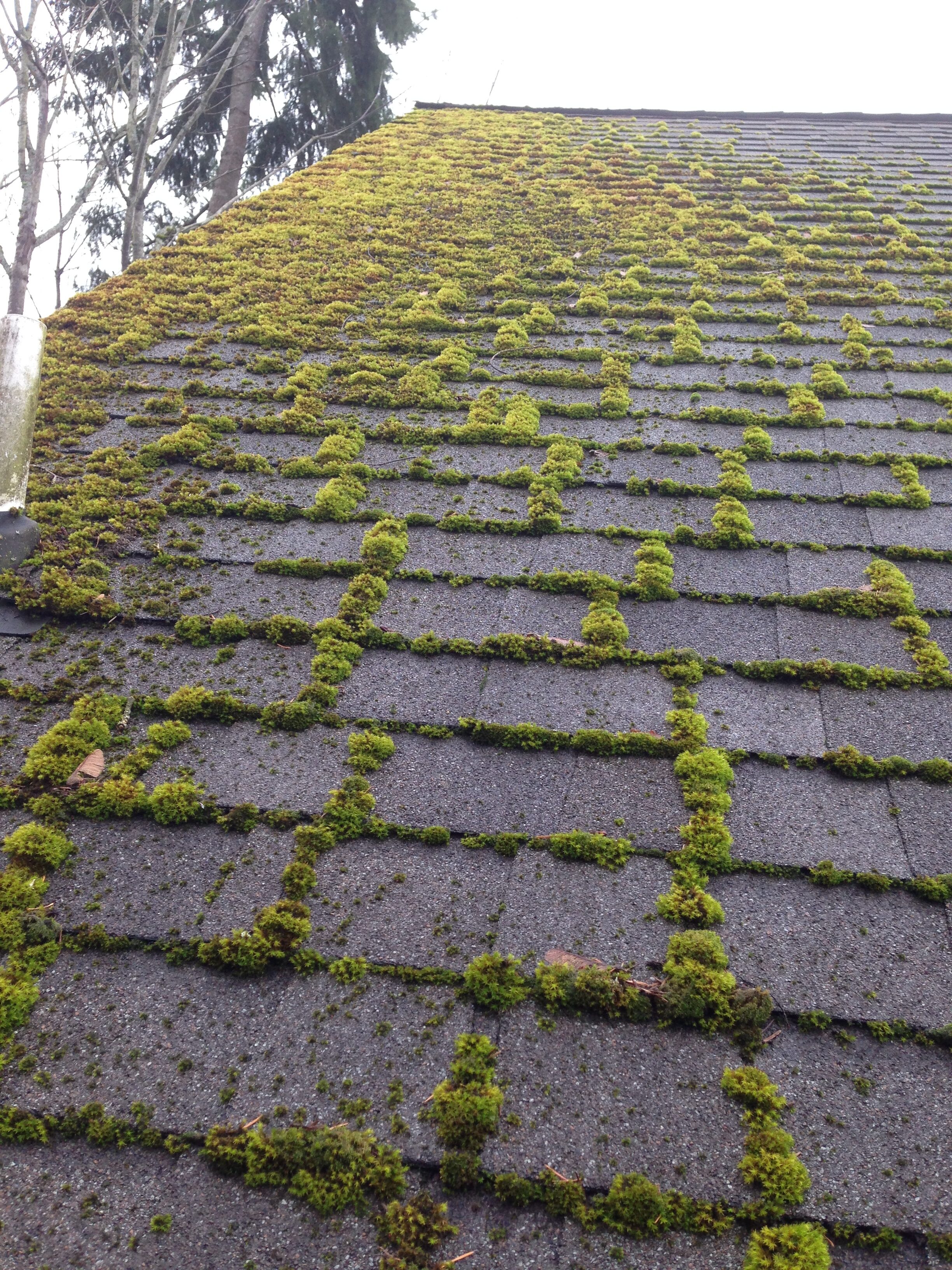
Damp coastal climates create ideal conditions for moss, lichen, and algae to grow on roof shingles. Left untreated, moss acts like a wet sponge against your roof, lifting shingle edges, breaking down asphalt, and opening pathways for leaks. During freeze-thaw cycles and windstorms, raised shingles are easily torn off, leading to costly roof replacements. Our soft cleaning methods and targeted treatments eliminate active moss and spores without damaging fragile materials, restoring your roof's appearance and protecting its structural integrity.What Is Our Proven Gentle Roof Moss Cleaning Process?
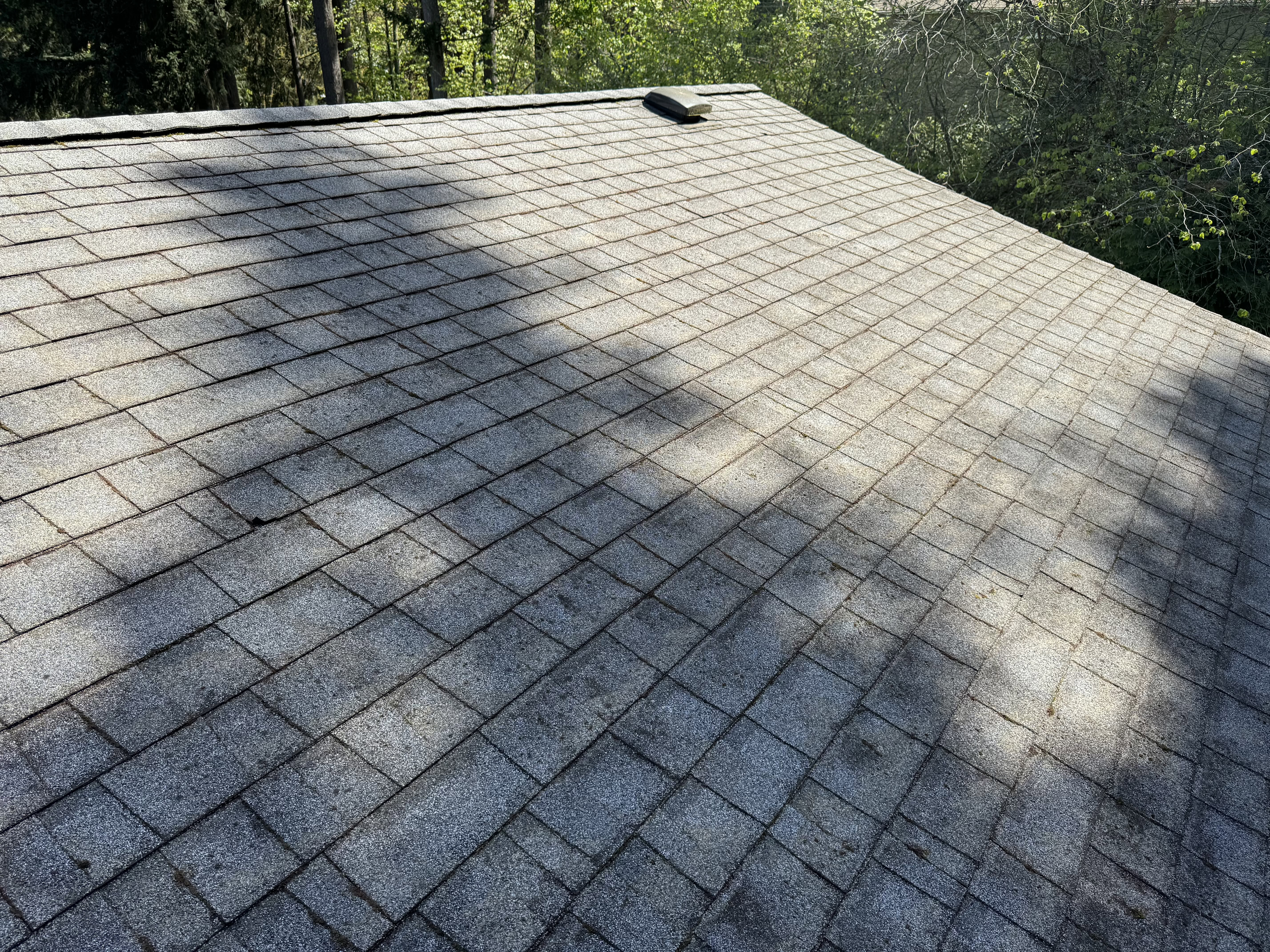
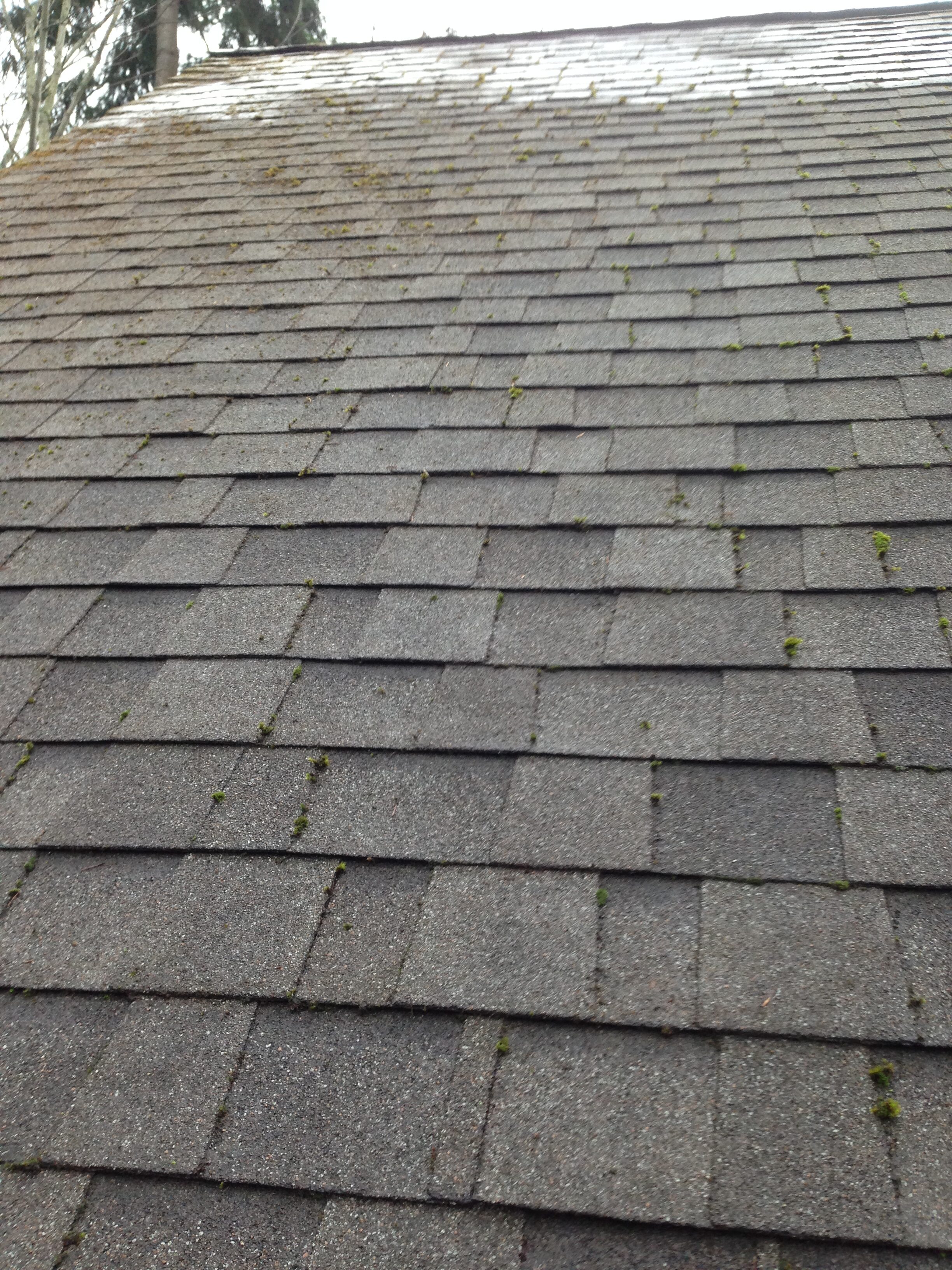
High-pressure power washing strips away protective mineral granules, instantly aging shingles and violating manufacturer warranties. Instead, we use a safe, low-impact process: we blow away loose debris, gently brush off heavy moss clusters with soft bristles, and sweep dislodged growth off the roof. We then apply a professional zinc sulfate treatment that kills remaining roots and spores, allowing dead moss to die off and wash away naturally in the rain.How Does Routine Roof Cleaning Protect Your Home's Value and Insurance Coverage?
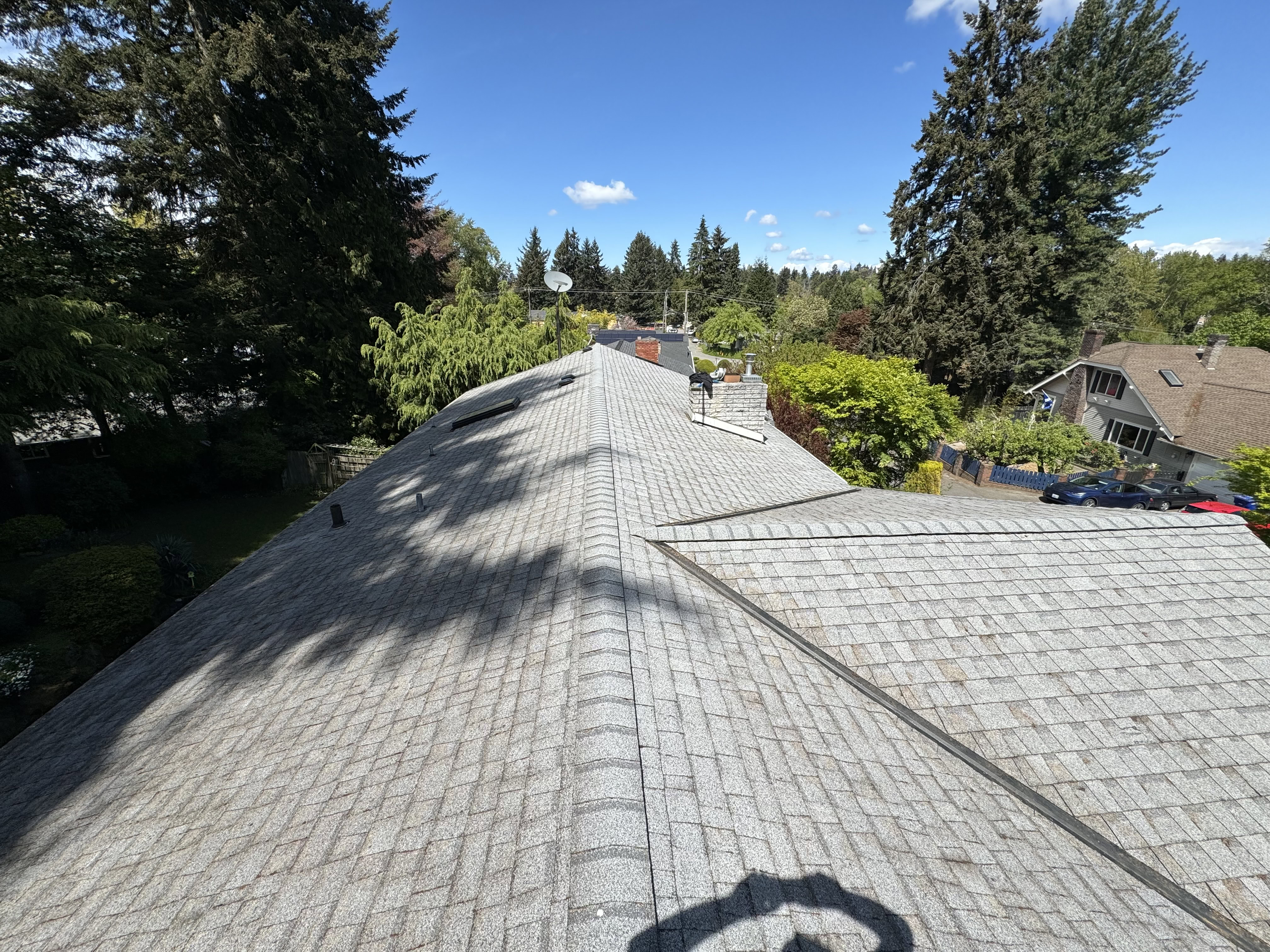
Beyond preventing leaks, routine roof cleaning and moss control protect your homeowner's insurance and property value. Insurance carriers will use drone or drive-by inspections, and visible moss can trigger mandatory roof replacement demands or policy non-renewals. A moss-covered roof also damages curb appeal, giving buyers leverage to demand costly repair concessions. Regular roof care keeps your property insurance-compliant, protects your home's value, and maintains clean neighborhood aesthetics.Why do you advise against pressure washing composition roofs?
Pressure washing strips away the protective mineral granules on asphalt shingles. Losing these granules exposes the underlying asphalt to UV degradation, causing shingles to dry out, curl, and fail prematurely.
How long does it take for the remaining moss to die and fall off after treatment?
After our zinc sulfate application, remaining moss turns brown or white as it dies over 3 to 4 weeks. Dead moss gradually loosens and washes away naturally with rain and wind.
Is zinc sulfate treatment safe for my roof shingles?
Yes. Zinc sulfate is a time-tested treatment that kills moss root systems without causing deterioration or harm to asphalt shingles or surrounding roof metals.
How often should I have my roof treated for moss?
In the Pacific Northwest, we recommend a roof moss treatment once every 1 to 2 years, depending on tree cover, shade exposure, and dampness around your home.
Will the moss cleaning process create a mess around my yard?
Our team takes care to collect dislodged moss and debris from your gutters, decks, driveways, and surrounding garden beds, leaving your property clean upon completion.