The best October roof moss treatment tips for Renton, WA homeowners involve applying gentle, soft-wash eco-friendly solutions to eliminate spores at the root before winter freezing sets in. Applying specialized treatments without damaging your roof allows seasonal fall rains to naturally wash away dead growth, preserving delicate shingle granules without aggressive pressure washing.
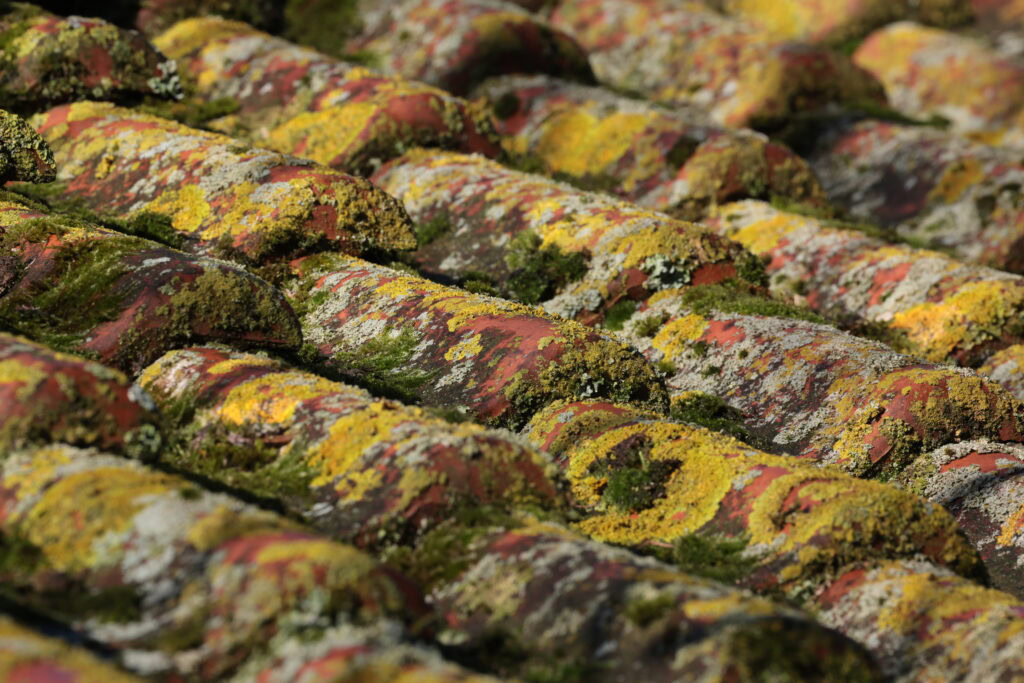
Did you know that thick green moss carpets growing across asphalt shingles act like dense sponges, holding dozens of gallons of trapped water directly against your home’s structural decking during dark Pacific Northwest winters?
As autumn brings cool temperatures and consistent moisture across the Puget Sound region, dormant moss spores spring into rapid, aggressive growth across shaded roof planes. If you leave these patches unchecked through mid-autumn, expanding root structures lift shingle edges apart, exposing delicate underlayment sheets to leaks and rot.
Let’s discuss applying a targeted roof moss treatment during October and how that eradicates organic growth before severe winter freezing sets in across King County.
Why Does October Moisture Trigger Rapid Moss Spore Growth?
October brings a dramatic climatic shift across western Washington, combining cool overnight temperatures with constant ambient humidity.
As deciduous trees drop heavy autumn leaves and sunlight angles flatten, roof surfaces remain damp for days on end without drying out completely. These exact environmental conditions signal moss spores to multiply rapidly across asphalt shingles, especially along shaded north-facing slopes and heavily tree-covered roof valleys.
The spongy plant structures trap fallen organic matter and atmospheric moisture, creating self-sustaining micro-climates that accelerate decay. Treating your roof during October halts this expansion cycle right when spores are most active and vulnerable to treatment.
A solid roof moss treatment does the following:
- Targets Spores at the Root Level: Apply a low-pressure, eco-friendly solution. Soft-wash solutions penetrate deep into organic root systems without blasting protective shingle granules away.
- Neutralizes Surface Moss: Allow treatment time to break down growth. Active ingredients turn green patches brown within days, completely stopping moisture absorption.
- Relies on Natural Rainfall: Let seasonal downpours wash away debris. Gentle autumn rainstorms gradually wash away dead moss particles over subsequent weeks.
Eliminating moss spores early in autumn ensures seasonal rainfall works for your roof rather than against its integrity.
Why Should You Avoid High-Pressure Power Washing on Shingles for a Roof Moss Treatment?
Blasting asphalt shingles with high-pressure water wands is among the most destructive mistakes you can make when cleaning roof surfaces.
High-pressure streams strip away protective mineral granules, exposing underlying petroleum-based asphalt layers to rapid ultraviolet degradation and weathering. Furthermore, force-spraying water upward under shingle edges tears delicate seals and injects high volumes of moisture directly into underlying roof decking.
Stripping granules instantly cuts years off your roof lifespan and often voids manufacturer material warranties entirely. Choosing gentle moss removal in Renton, WA protects fragile shingle surfaces while thoroughly eradicating organic growth.
How Does Soft Wash Cleaning Eliminate Moss Roots Safely?
Soft wash cleaning uses low-pressure delivery systems, similar to a gentle garden hose stream, to apply specialized chemical solutions directly across infected shingles. The active formula soaks deep into porous shingle crevices, reaching deep root rhizoids that manual scraping or surface brushing leaves behind.
By completely neutralizing moss at its cellular root level, soft washing prevents rapid regrowth while preserving protective mineral coatings. Over subsequent weeks, dead moss turns brittle, releases its grip on shingle granules, and washes away naturally during routine rain showers.
Adopting soft wash roof cleaning in King County provides superior long-term results without risking physical damage to asphalt materials.
What Structural Hazards Occur When Roof Moss Freezes?
Allowing thick moss patches to remain on your roof through late fall creates severe structural hazards once winter freezing temperatures hit the region.
Spongy green moss absorbs surrounding rainwater, swelling in size and lifting shingle edges upward off the roof deck. When nighttime temperatures drop below freezing, trapped water inside moss masses expands rapidly into ice, creating strong forces that crack asphalt tiles and break adhesive seals. Once shingle seals break open, wind-driven winter rain easily drives water underneath, leading to hidden attic leaks and rotting roof rafters.
Applying proper roof moss treatment during dry October days prevents winter frost from destroying your shingle framework.
| Treatment Method | High-Pressure Power Washing | Gentle Soft-Wash Treatment |
| Granule Loss Risk | Severe loss of protective mineral coating | Zero loss of asphalt granules |
| Root Eradication | Leaves deep rhizoid roots intact inside shingles | Completely neutralizes roots at the cellular level |
| Shingle Integrity | Risks lifting, tearing, and breaking shingle seals | Keeps shingle seals, seams, and flashing intact |
| Warranty Protection | Frequently voids shingle manufacturer warranties | Complies with industry standard maintenance care |
| Regrowth Rate | Moss returns rapidly within a few months | Long-lasting control that deters future spore growth |
Choose a low-pressure roof moss treatment solution to protect your roofing investment while providing superior protection against persistent moisture.
Why Is October the Golden Window to Kill Roof Moss Before Winter?
Timing plays an essential role in successful roof maintenance, and October offers the absolute best climatic balance of the entire year.
Summer heat can evaporate cleaning solutions too quickly before active ingredients penetrate deep moss roots, while late winter cold freezes treatments on contact. October brings moderate ambient temperatures combined with gentle rain patterns that allow chemical solutions ample time to soak deep into root structures.
Applying a roof moss treatment now gives the solution weeks to break down organic bonds before severe winter windstorms arrive.
Why Do Renton Homes Face Higher Moss Growth Rates?
Homes situated throughout Renton experience unique micro-climates shaped by Lake Washington humidity, Cedar River valley moisture, and dense tree canopies.
Neighborhoods nestled along wooded hillsides receive extended periods of shade that prevent roofs from drying out during autumn afternoons. High ambient moisture levels combined with falling tree sap create ideal breeding grounds for algae, lichen, and heavy moss clusters.
Applying tailored maintenance techniques designed for local climate conditions ensures your roof withstands high regional rainfall patterns. And partnering with technicians who understand local weather patterns guarantees your home gets the exact protection it needs.
How Does Early Moss Care Extend Your Total Roof Lifespan?
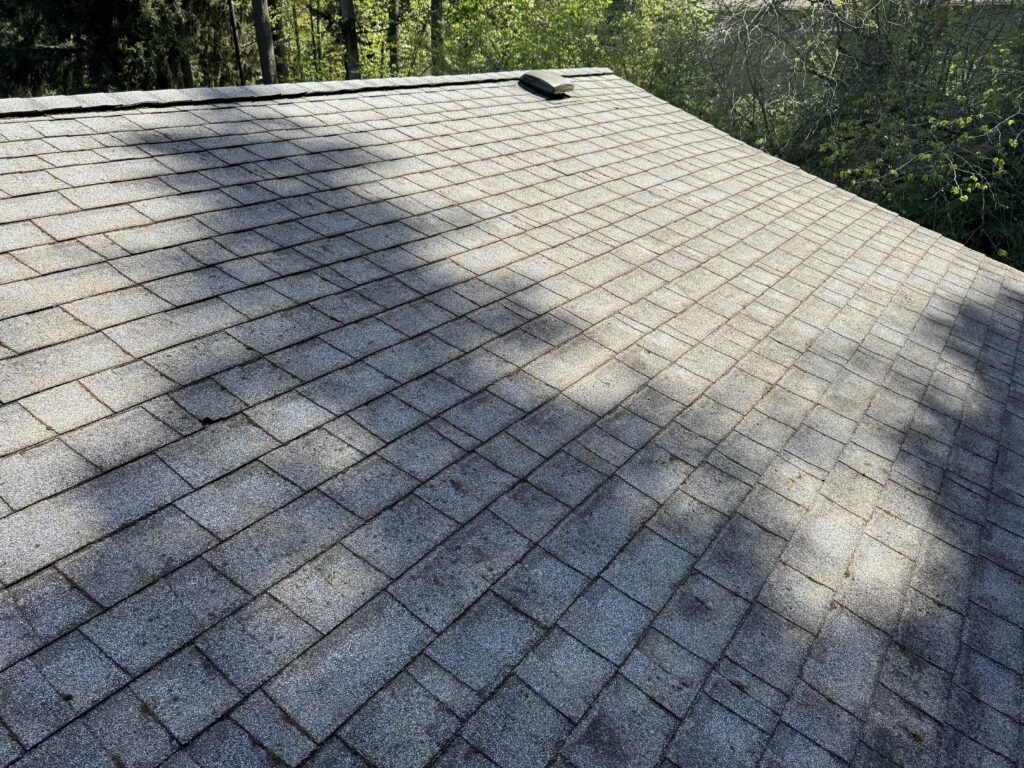
Maintaining clean, moss-free shingles preserves the structural integrity of your home while saving you tens of thousands of dollars in premature replacement costs.
Shielding your shingles from root penetration keeps underlying decking dry, prevents unexpected interior ceiling leaks, and maintains strong curb appeal across every season. You enjoy total peace of mind knowing your roof stands fully prepared to shed heavy winter rainfall safely.
Taking action during late autumn protects your home investment and ensures your shelter remains dry for years to come.